
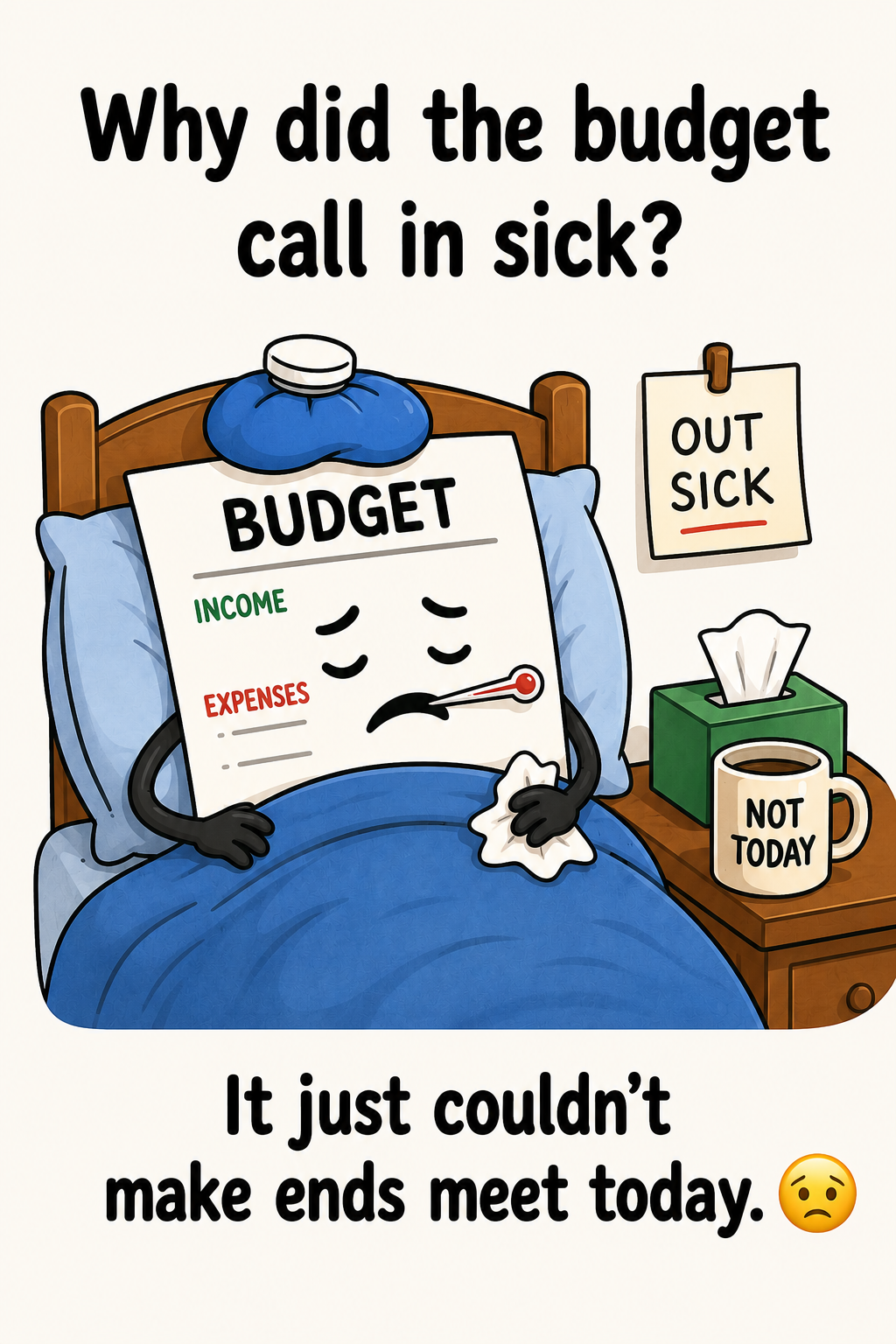
Money doesn't always have to be a serious conversation filled with charts, market jargon, and complicated budgets. Sometimes the simplest jokes remind us of timeless truths: prepare for the unexpected, think long term, and don't let your money sit around doing nothing. So in honor of International Joke Day, here are ten delightfully cheesy financial jokes—and the genuinely valuable lessons hiding behind them. We've all experienced a month where expenses seem to arrive faster than income. Rising grocery prices, surprise bills, birthdays, subscriptions you forgot existed—they all chip away at even the best intentions. A budget isn't about restricting yourself. It's simply a spending plan that tells your money where to go before it disappears on its own. As author Morgan Housel writes in The Psychology of Money, "Controlling your time is the highest dividend money pays." A good budget helps buy exactly that: control. Action Item: Pull up your bank and credit card statements from the past 30 days and categorize every expense. Highlight three purchases that didn't meaningfully improve your life, then redirect that exact amount toward a financial goal next month. Some investments may not be hilarious, but diversified investing can certainly help you sleep better at night. The joke is a playful nod to mutual funds, which pool money from many investors to own a broad mix of assets. Whether you personally choose mutual funds or low-cost index funds, diversification helps reduce the risk of relying too heavily on one company or one industry. Trying to find the next superstar stock can be exciting. Building wealth steadily is usually much less exciting—but far more reliable. Action Item: Take a few minutes to look into some of the best mutual funds available today. As you compare them, pay attention to their long-term performance, expense ratios, investment objectives, and level of risk—not just last year's returns. Retail therapy feels surprisingly effective—for about five minutes. Stress, boredom, celebration, frustration, and even loneliness can all trigger spending that has very little to do with actual needs. The purchase itself isn't always the problem. It's the habit of using spending as emotional relief. Recognizing emotional spending isn't about eliminating fun purchases. It's about making sure your purchases reflect your priorities rather than your mood. Action Item: Before making any unplanned purchase over your personal spending threshold, wait 24 hours. Often, the urge fades while your money stays put. Retirement saving isn't exactly thrilling when you're in your twenties or thirties. It feels distant—until suddenly it doesn't. The greatest advantage young savers have isn't necessarily higher income. It's time. Warren Buffett famously observed, "Someone's sitting in the shade today because someone planted a tree a long time ago." Retirement accounts work much the same way. The earlier contributions begin, the longer they have to grow through compounding. Action Item: Increase your retirement contribution by just 1% of your income. Small increases are often barely noticeable in your paycheck but can make a meaningful difference over decades. Nobody enjoys paying for something they hope they'll never need. Yet emergency savings function much like an umbrella. Most days, you won't use them. When the storm arrives, you'll be glad they're there. Unexpected medical expenses, vehicle repairs, appliance replacements, or temporary job loss become inconveniences rather than financial disasters when cash reserves already exist. Preparation rarely feels exciting until it proves invaluable. Action Item: Open a dedicated emergency savings account if you don't already have one, and automate even a small weekly transfer into it. Every successful baker understands one thing: good bread takes time. Investing works remarkably similarly. Markets rise, fall, wobble, and occasionally panic. But history has consistently rewarded investors who remain patient rather than constantly chasing trends or reacting emotionally to headlines. Growing wealth usually looks far more like slow baking than microwave cooking. Action Item: Instead of checking your investment portfolio every day, schedule quarterly reviews. Less frequent monitoring often leads to better long-term decision-making. One dollar saved won't change your life. Neither will two dollars. Or five. But repeated hundreds of times throughout the year, small decisions become surprisingly powerful. Skipping one unnecessary purchase won't make you wealthy. Building the habit of making thoughtful financial decisions absolutely can. Tiny improvements compound into meaningful progress, whether that's reducing food waste, comparing insurance rates, or negotiating recurring bills. Small doesn't mean insignificant. Action Item: Find one recurring monthly expense you can reduce by even a modest amount, then redirect those savings toward a financial goal instead of letting them disappear into everyday spending. Financial peace often has less to do with income than preparedness. Two families earning identical salaries can experience completely different levels of stress depending on whether one has emergency savings and the other relies entirely on credit cards when surprises occur. An emergency fund doesn't eliminate life's problems. It simply gives you better options when they arrive. That's a powerful form of financial confidence. Action Item: Calculate one month's essential living expenses. Make that your first emergency fund milestone before aiming for larger savings goals. Compound interest is often described as earning interest on your interest. That's technically true. But its real magic is consistency over long periods. Whether you're investing for retirement, saving for a child's education, or building long-term wealth, time often contributes more to your results than trying to perfectly time the market. The earlier you begin, the harder your money eventually works on your behalf. Action Item: If you've been waiting for "extra money" before investing, start with an amount small enough that you can continue consistently every month. This joke earns the top spot because it captures one of the biggest differences between simply saving money and making it work. A piggy bank is a wonderful place to develop the habit of saving. But over time, money that earns little or no return gradually loses purchasing power because of inflation. Whether it's a high-yield savings account, certificates of deposit for appropriate goals, or long-term investments, putting your money where it has the opportunity to grow helps protect its future value. Saving is the first step. Growing is the next. Action Item: Check where your savings currently sit. If they're earning little or no interest, compare available options that better match your financial goals while keeping appropriate funds accessible. International Joke Day reminds us not to take ourselves too seriously. Fortunately, personal finance can benefit from that same attitude. Sometimes the silliest jokes stick in our minds the longest—and that's exactly what makes them effective teachers. The next time a dad joke makes you groan, don't dismiss it too quickly. Hidden behind the puns might be a reminder to budget a little better, invest a little earlier, or prepare a little more wisely. After all, the best financial advice doesn't always come wrapped in spreadsheets. Sometimes... it just makes cents.10. Why did the budget call in sick? It just couldn't make ends meet today.
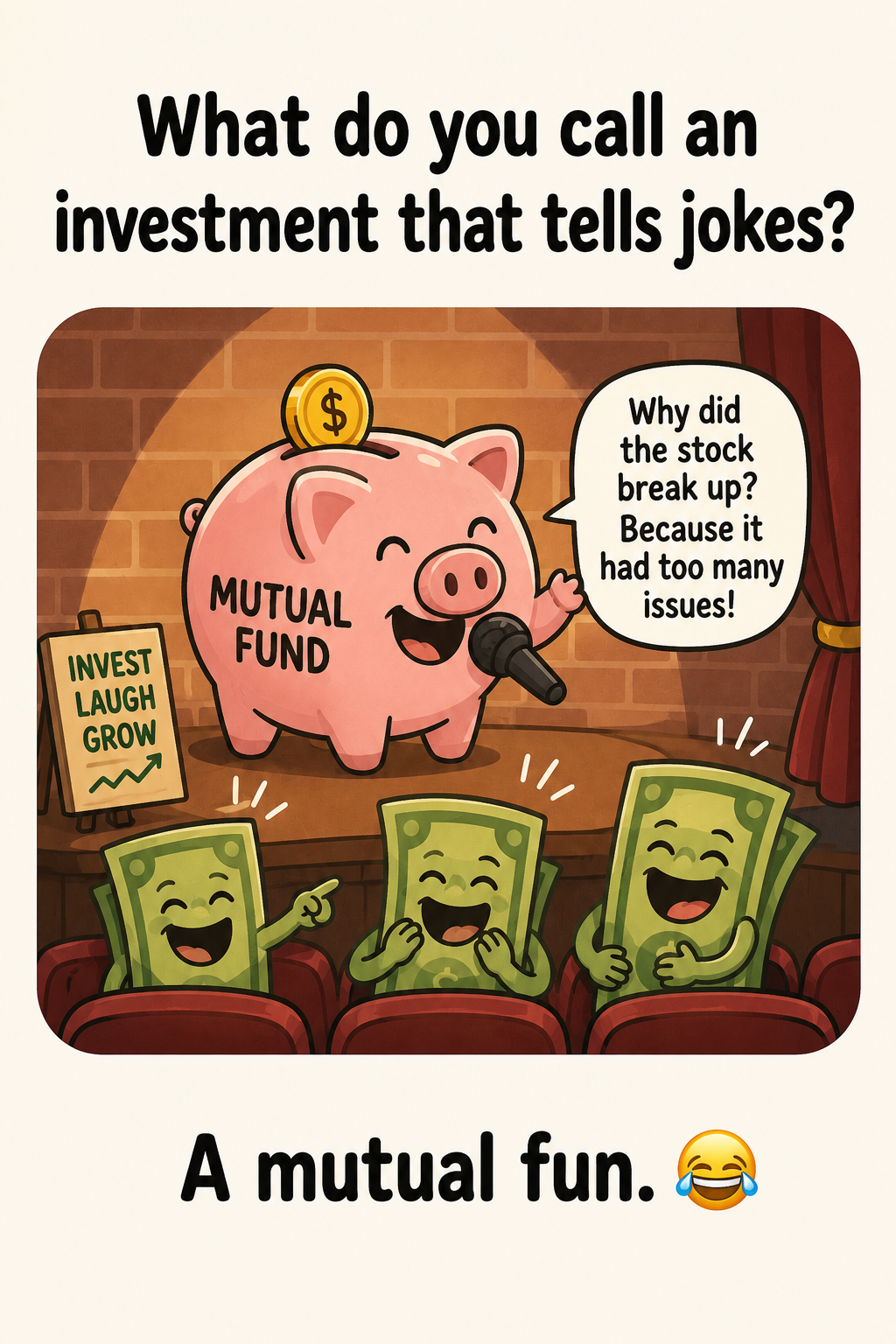
9. What do you call an investment that tells jokes? A mutual fun.
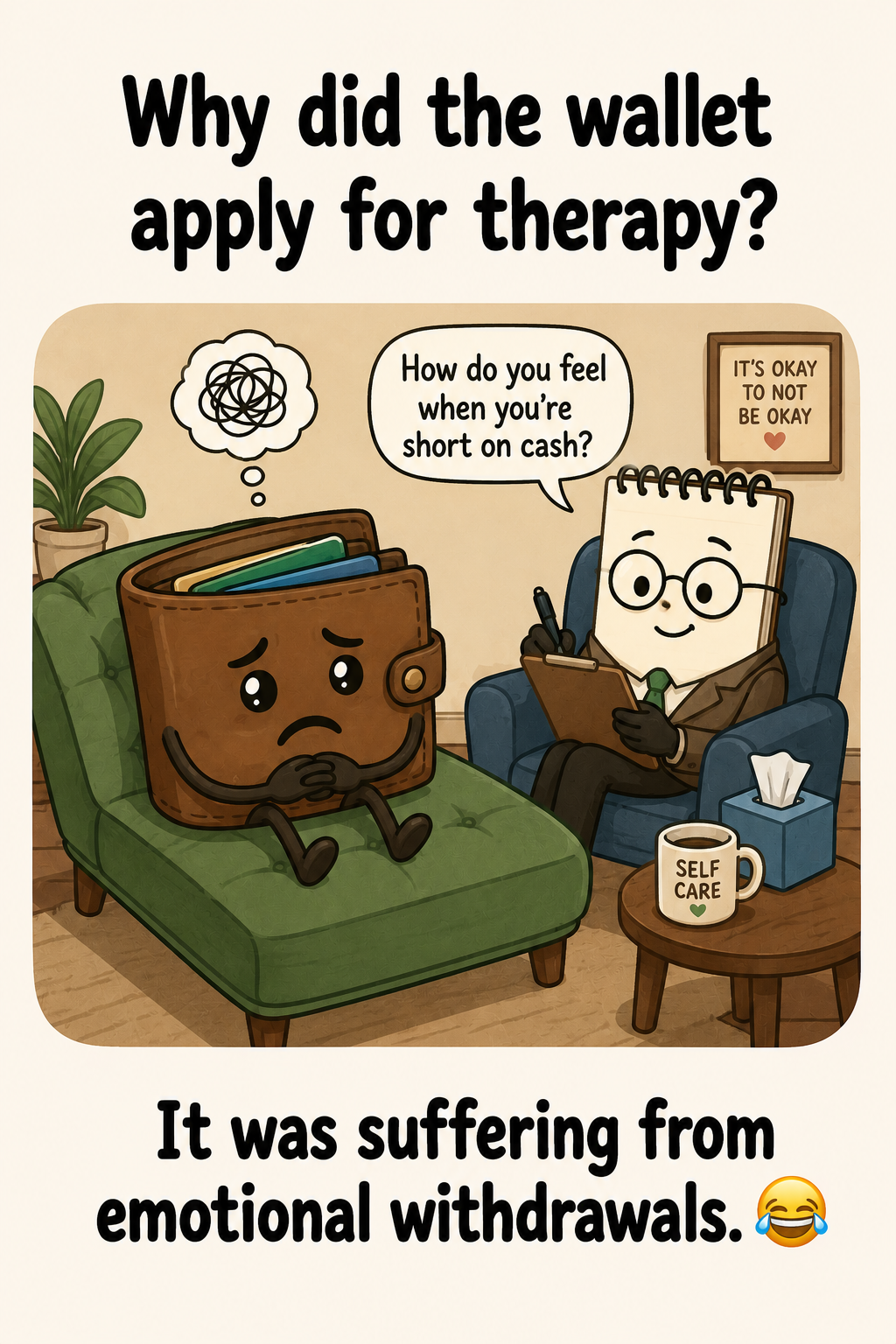
8. Why did the wallet apply for therapy? It was suffering from emotional withdrawals.
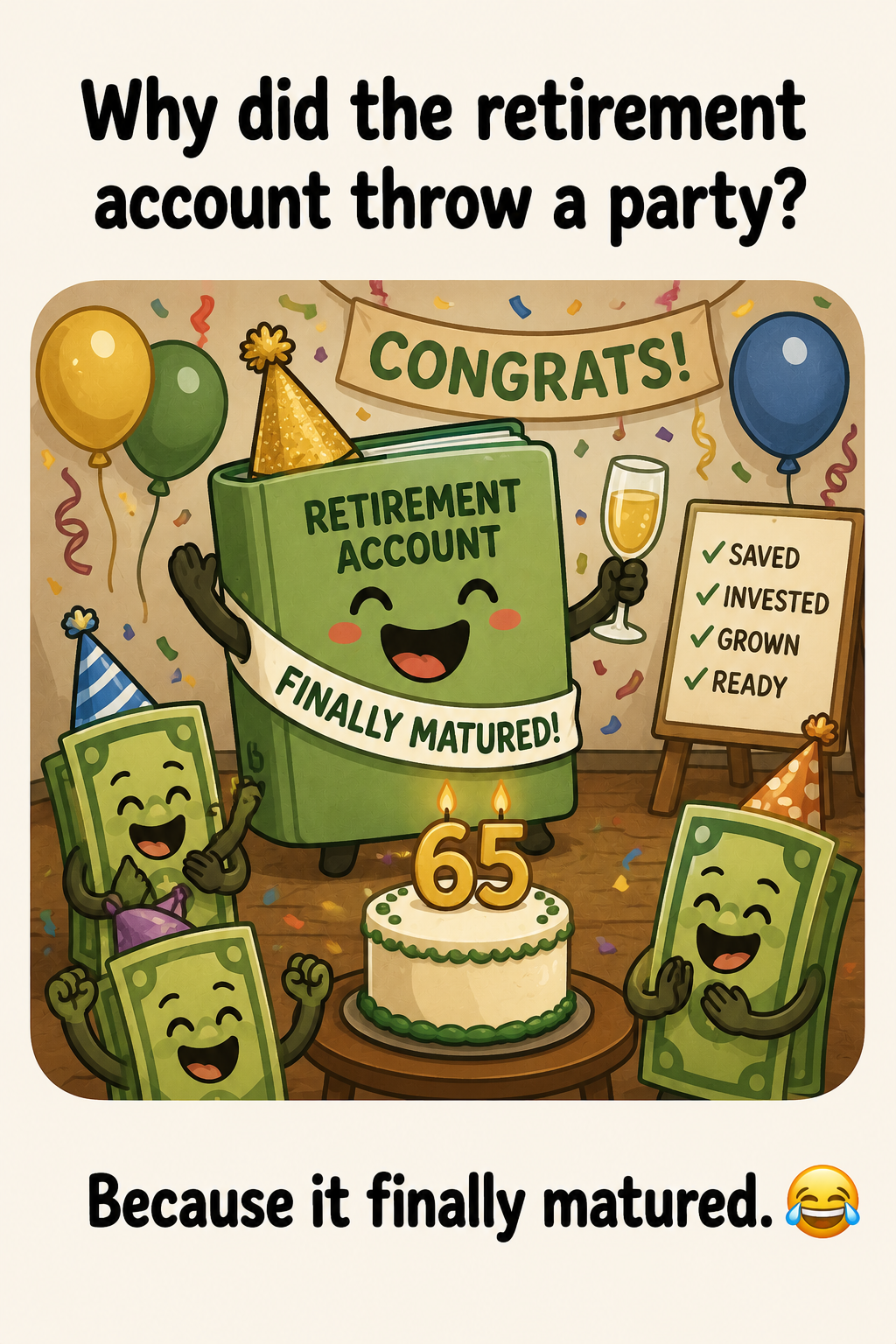
7. Why did the retirement account throw a party? Because it finally matured.
6. Why did the financial advisor carry an umbrella? To prepare for rainy days.

5. Why did the investor become a baker? Because they knew how to make the dough rise.

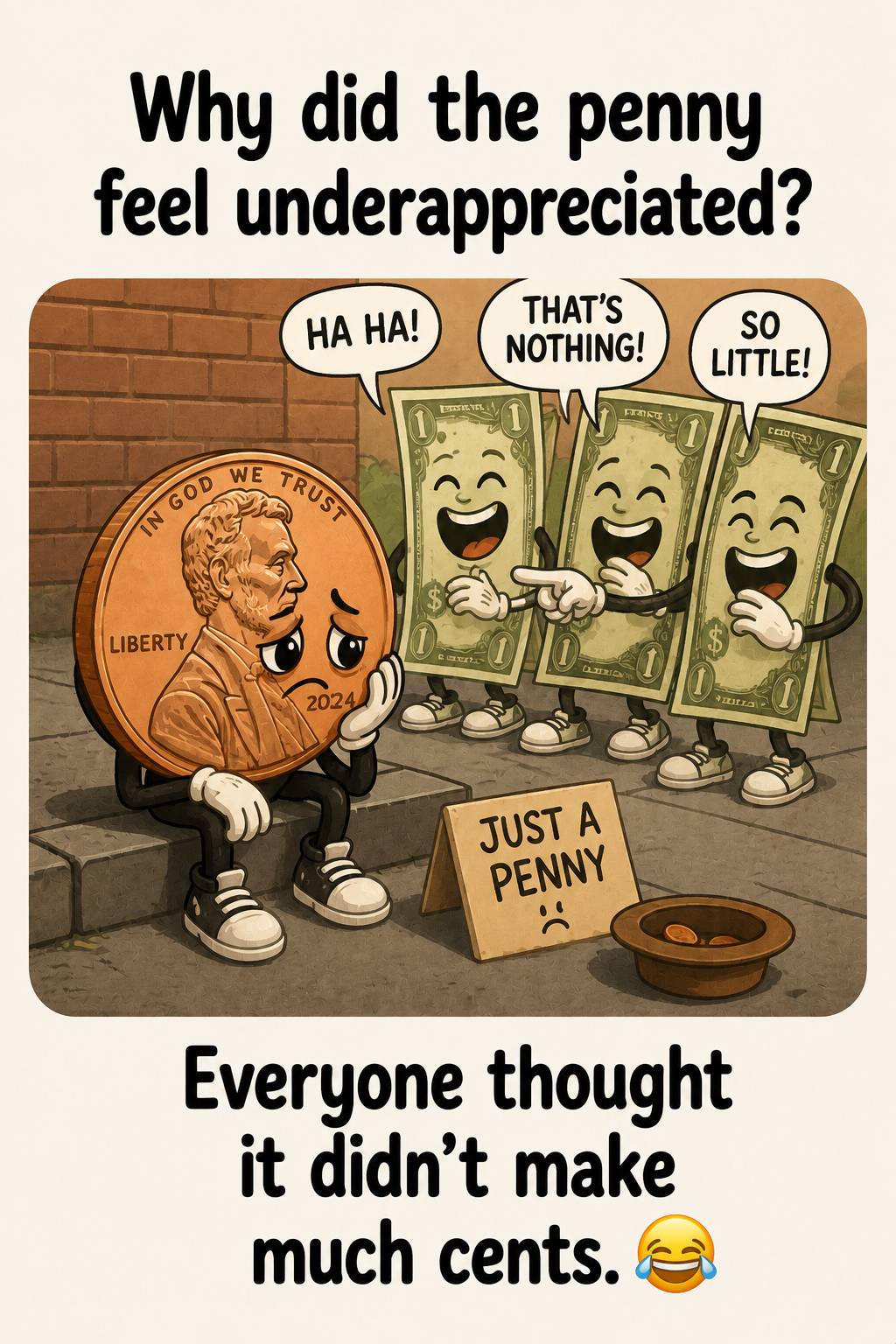
4. Why did the penny feel underappreciated? Everyone thought it didn't make much cents.
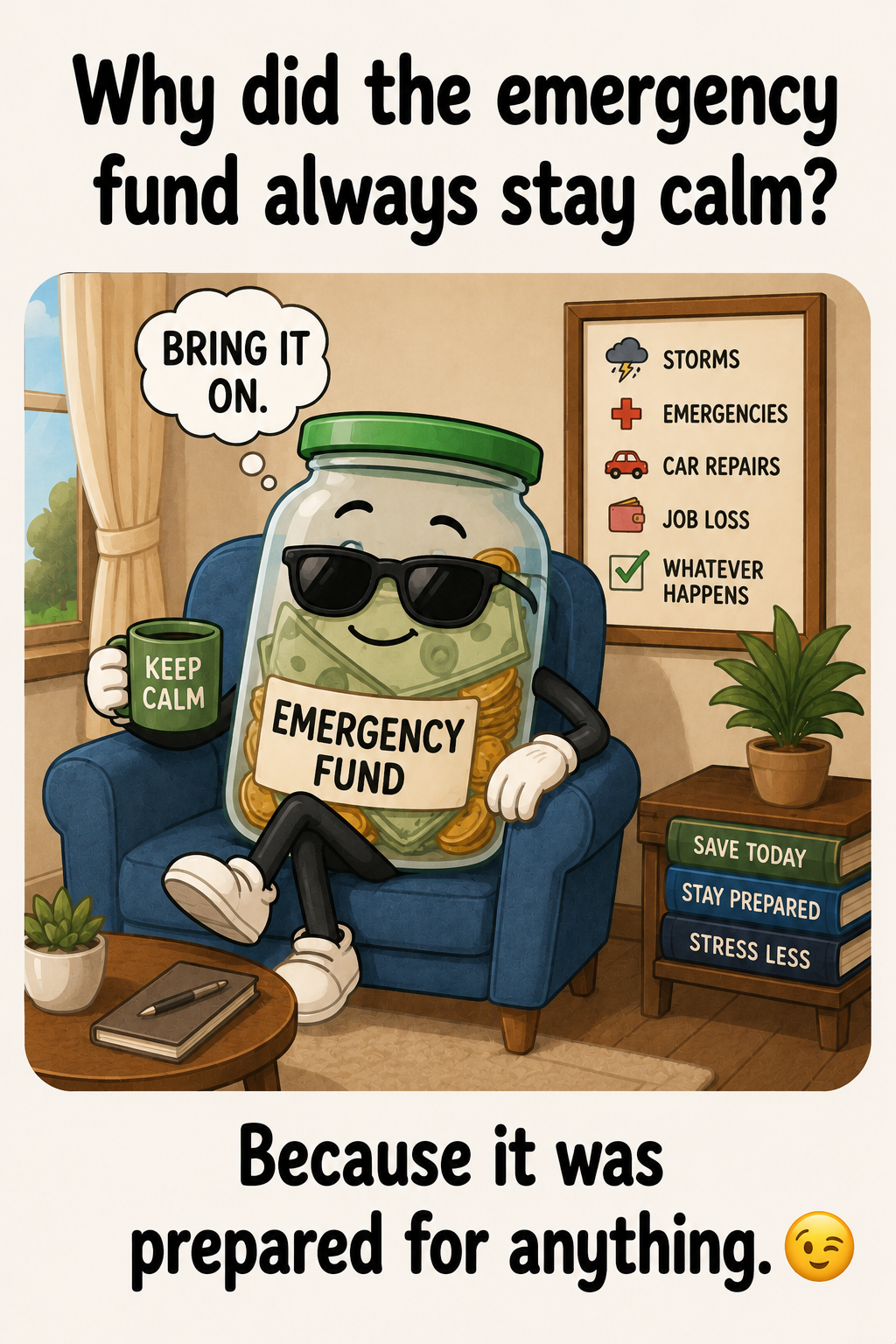
3. Why did the emergency fund always stay calm? Because it was prepared for anything.
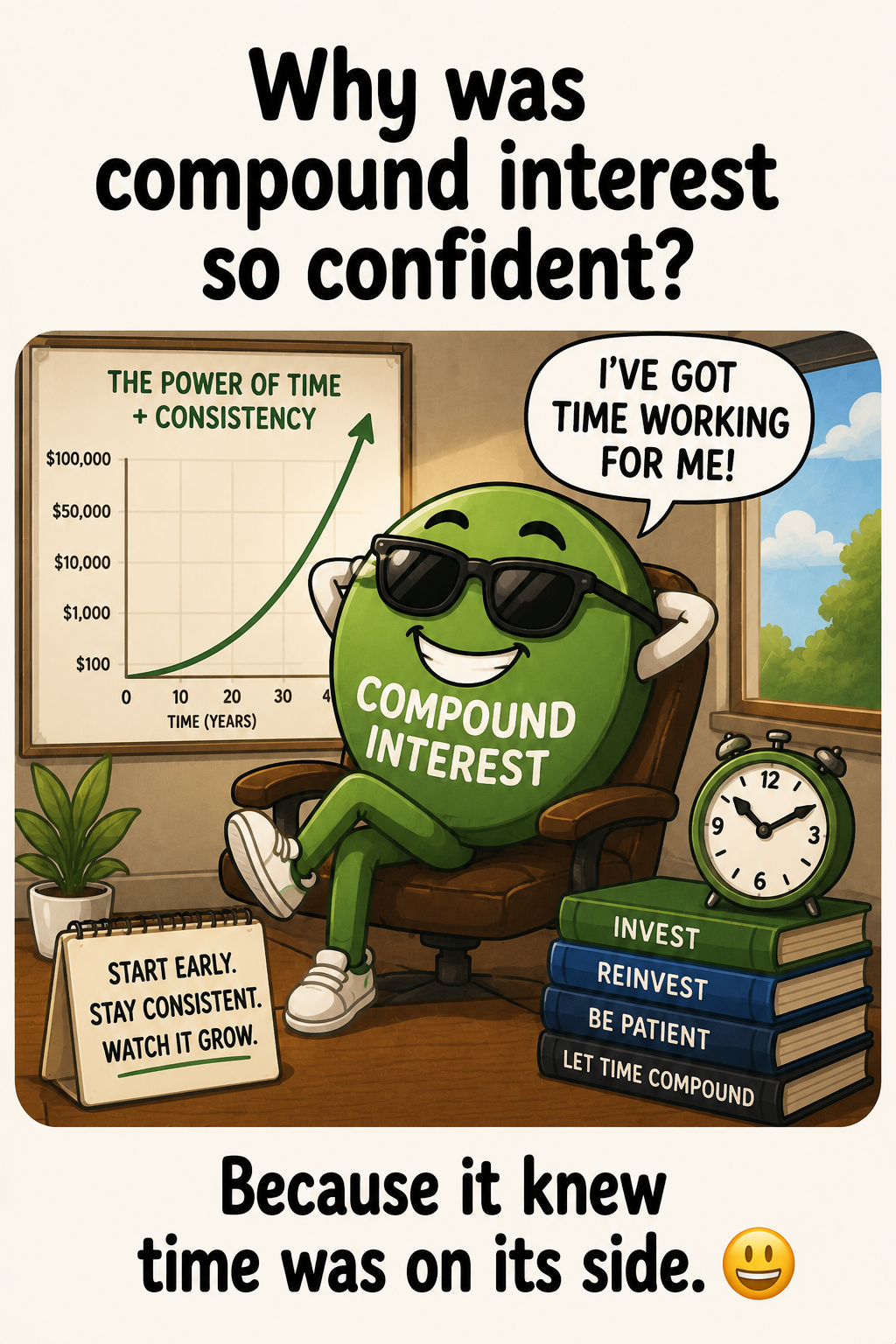
2. Why was compound interest so confident? Because it knew time was on its side.
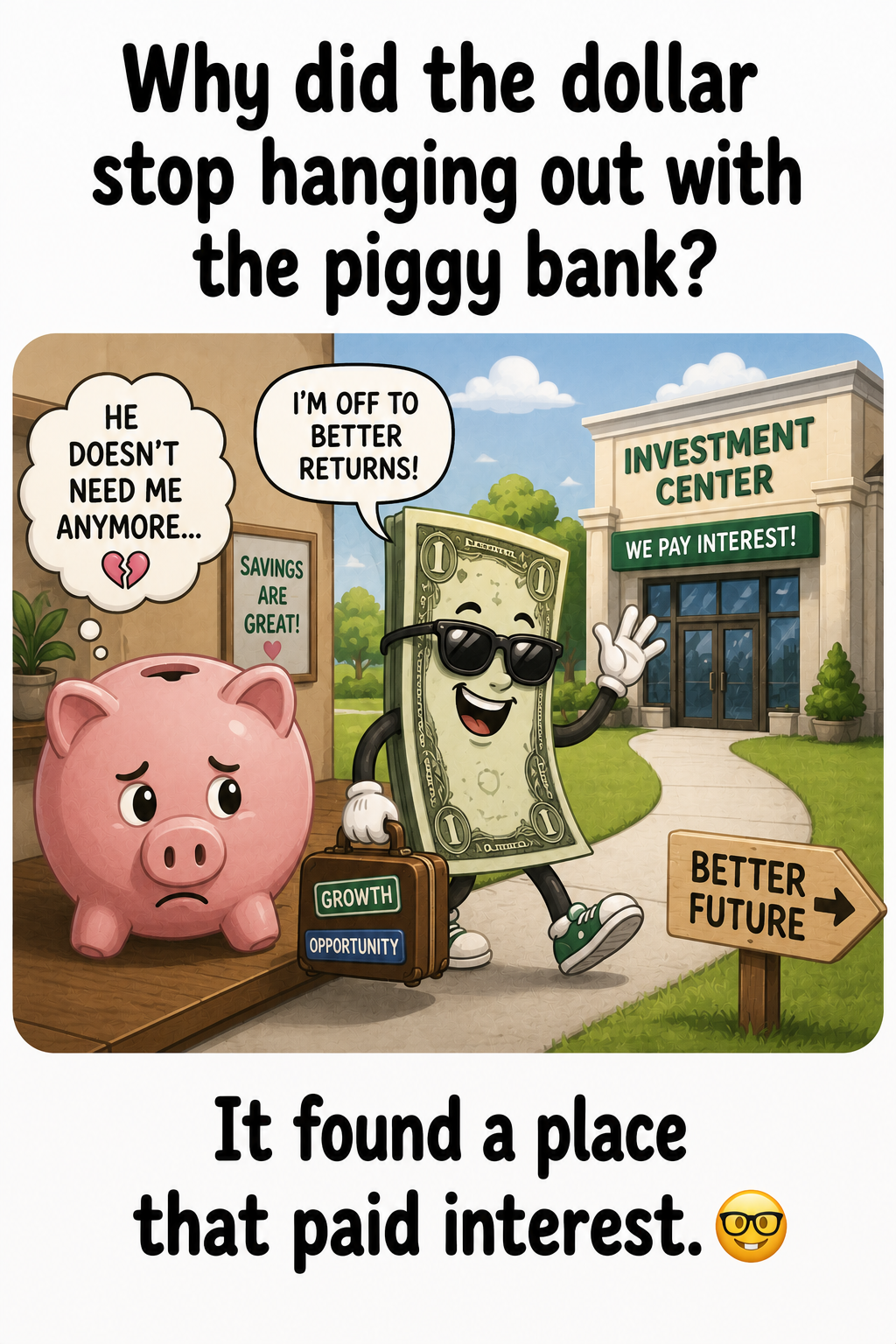
1. Why did the dollar stop hanging out with the piggy bank? It found a place that paid interest.
Interest-ing Final Thoughts
10 Dad-Level Financial Jokes & the Valuable Lessons Behind Them FAQs
Saving is meant for short-term needs and emergencies, while investing is designed to help your money grow over the long term. Savings typically prioritize safety and accessibility, whereas investments involve some level of risk but offer the potential for higher returns over time.
A common recommendation is to save three to six months' worth of essential living expenses. If that feels overwhelming, start with a smaller goal—such as one month's expenses or even your first $500 to $1,000—and build from there as your finances improve.
Compound interest allows you to earn returns not only on your original investment but also on the returns you've already accumulated. The longer your money remains invested, the greater the compounding effect, which is why starting early can make such a significant difference.
Tracking your spending tells you where your money went, while budgeting helps you decide where it should go. A budget gives every dollar a purpose, making it easier to avoid overspending, save consistently, and stay on track toward your financial goals.
Money that sits in a low- or no-interest account gradually loses purchasing power because of inflation. Placing your savings in appropriate interest-bearing accounts or investments—while keeping emergency funds accessible—can help your money grow over time instead of losing value.
True Tamplin is a published author, public speaker, CEO of UpDigital, and founder of Finance Strategists.
True is a Certified Educator in Personal Finance (CEPF®), author of The Handy Financial Ratios Guide, a member of the Society for Advancing Business Editing and Writing, contributes to his financial education site, Finance Strategists, and has spoken to various financial communities such as the CFA Institute, as well as university students like his Alma mater, Biola University, where he received a bachelor of science in business and data analytics.
To learn more about True, visit his personal website or view his author profiles on Amazon, Nasdaq and Forbes.